Home




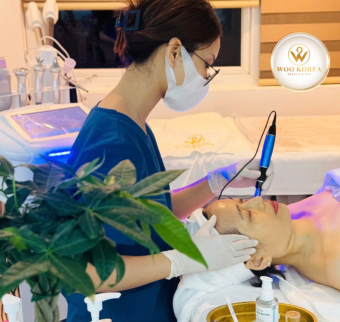
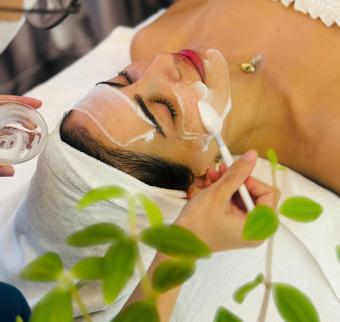
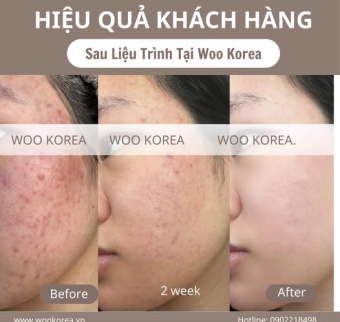
Skin peeling is a method that helps regenerate the skin quickly, effectively improving acne, dark spots, and dullness. However, after peeling, the skin becomes more sensitive and requires proper care. One of the most common concerns is how long after peeling you should exfoliate to ensure safety while maintaining beauty results. At Wookorea Beauty Spa, post-peel skincare guidance is always emphasized to help clients achieve healthy, long-lasting beautiful skin.
What is Skin Peeling?
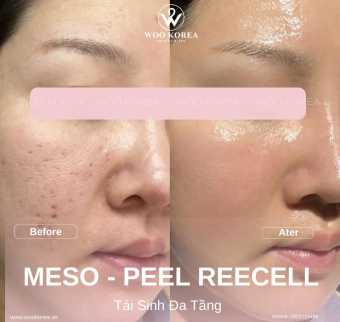
Skin peeling is a method that uses active ingredients (commonly organic acids such as AHA, BHA, TCA…) to act on the epidermis. The goal is to loosen the bonds between old, dead skin cells, helping remove them and stimulating the natural renewal of the skin surface.
Unlike regular physical exfoliation, skin peeling works deeper and more intensively. Therefore, after peeling, the natural protective barrier (skin barrier) is temporarily affected, causing dryness, tightness, and peeling as new skin forms underneath.
When Should You Choose Skin Peeling?
This method is ideal for:
- Dull, lifeless skin: Helps brighten and improve skin texture, making it look more radiant.
- Oily skin, large pores: Deeply cleanses, removes excess oil, and helps reduce pore clogging.
- Aging skin: Helps firm the skin, improve overall tone, and reduce the appearance of fine lines.
- Skin with dark spots: Helps fade post-acne marks and improve uneven pigmentation.
How Long After Peeling Should You Exfoliate?
This is the most important question that determines the success of post-peel skincare.
“Golden Time”: 10–14 Days
According to dermatology experts at Wookorea Beauty Spa, you should wait at least 10 to 14 days after peeling before exfoliating again.
Why Should You Wait This Long?
- Days 1–3: The skin experiences mild inflammation (redness, warmth) and is very sensitive.
- Days 4–7: The skin becomes dry and starts peeling. At this stage, the peeling itself is already dead skin shedding. Any additional exfoliation (physical or chemical) is unnecessary and harmful.
- Days 7–10: New skin begins restoring its protective function, but it is still thin and fragile.
Consequences of Exfoliating Too Early
If you exfoliate within the first week after peeling, your skin may face:
- Damage to new skin: Causing scratches, bleeding, or intense burning sensations.
- Prolonged irritation: Skin becomes more sensitive, red, and less tolerant to other products.
- Post-inflammatory hyperpigmentation (PIH): The most serious consequence. Over-exfoliation triggers melanin production, making dark spots worse.
- Weakened skin barrier: Leading to dehydration and increased vulnerability to bacteria, resulting in chronically sensitive skin.
Advice: Only exfoliate when your skin is completely stable—smooth to the touch, no redness, and no peeling signs.
Post-Peel Skincare Routine: What Products Should You Use?
During the 14-day “no-exfoliation” period, your focus should be on:
Soothing – Hydrating – Repairing – Protecting
Gentle Cleansing
Post-peel skin needs maximum care. Avoid cleansers with scrubs or high pH levels.
- Criteria: Gel, milk, or cream cleansers; low-foam or non-foaming; pH-balanced (5.0–5.5).
- Benefits: Removes impurities gently without stripping moisture, helping soothe stressed skin.
Deep Hydration & Soothing
This is the most important step to reduce tightness and help the skin peel more comfortably.
Repairing & Strengthening the Skin Barrier
Since the skin barrier is temporarily weakened, you need nutrients to reinforce it.
Sun Protection
New skin after peeling is extremely sensitive to UV rays. Without proper protection, results can be ruined, and skin may become darker than before.
- Moisturizer: Lightweight texture, free of alcohol, fragrance, or irritants. Helps hydrate and strengthen the barrier.
- Sunscreen: Broad-spectrum SPF 50+, lightweight, suitable for post-peel skin. Avoid alcohol and fragrance.
After 14 Days: How to Exfoliate Properly Again
Once the sensitive phase passes (after 2 weeks), you can resume exfoliation gently.
- Frequency: Start with once per week, then increase to twice if the skin tolerates it well.
Product Types
- Recommended: Enzyme exfoliants or gentle peeling gels
- Avoid: Harsh scrubs with large particles (at least in the first month)
- Chemical exfoliants: Use low concentrations of AHA/BHA and monitor your skin’s reaction
Who Should NOT Undergo Skin Peeling?
Although beneficial, peeling is not suitable for everyone. Be cautious or consult a specialist if you are:
- Very thin or sensitive skin: Especially with a history of corticosteroid damage or visible capillaries
- Open wounds or active irritation: Including blisters or inflamed areas
- Pregnant or breastfeeding: Chemical absorption should be carefully considered
- Using high-dose Retinol/Tretinoin: Stop these at least 5–7 days before peeling to avoid overloading the skin
Determining the right time to exfoliate after a peel plays a crucial role in skin recovery and regeneration. When done correctly, your skin will quickly become smoother, brighter, and healthier.
At Wookorea Beauty Spa – Affordable Spa in Hanoi, you will receive detailed consultation on treatments and post-peel care to optimize results and maintain long-term beauty.
WOO KOREA BEAUTY & SPA – Enhancing your natural beauty. Where your beauty is elevated!
3rd Floor, No. 9/30 Mai Anh Tuan Street, O Cho Dua Ward, Dong Da District, Hanoi