Home




What Is Underarm Peeling?
Underarm peeling, also known as underarm skin resurfacing, is a non-invasive cosmetic treatment. This method uses chemical agents such as TCA, BHA/AHA, and other exfoliating acids in varying concentrations to break down dead skin cell bonds at different skin depths. In addition, peel solutions are often combined with anti-inflammatory, antioxidant, and brightening ingredients to enhance treatment effectiveness.
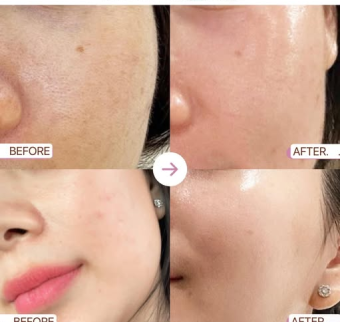
After approximately 3–5 treatment sessions, noticeable improvement can be seen in the underarm area. Chemical peeling removes dead skin cells, reduces follicular keratinization, stimulates new skin regeneration, and boosts natural collagen production, allowing the skin to absorb nutrients more effectively.
Benefits and Risks of Underarm Peeling
Underarm peeling not only helps brighten the skin but also offers many aesthetic and skincare benefits. However, there are also potential risks if the treatment is performed incorrectly. Understanding both sides will help you make a more informed decision.
Benefits of Underarm Peeling
Underarm peeling offers several outstanding benefits for improving pigmentation and skin texture, including:
- Quick treatment time, minimal discomfort, no downtime:
Each peeling session typically takes only 30–45 minutes. The process is gentle, usually does not require numbing cream, and causes minimal disruption to daily activities. - Reasonable treatment intervals:
For the underarm area, peeling sessions are generally repeated every 4–8 weeks, giving the skin enough time to recover and regenerate properly. - Removes dead skin cells and renews the skin:
Peeling helps exfoliate old keratinized skin, stimulates new cell growth, improves skin smoothness, and enhances nutrient absorption. - Brightens the skin and reduces pigmentation effectively:
Under the effects of the peel, melanin-containing cells are gradually removed. When combined with supportive treatments such as laser pigmentation therapy or brightening serums, underarm whitening results can become faster and longer-lasting. - Reduces folliculitis and unclogs pores:
Chemical peeling deeply cleanses the skin, minimizes folliculitis, and leaves the underarm area smoother and healthier.
Risks of Underarm Peeling
Underarm peeling is a procedure that requires proper technique and professional expertise. If performed incorrectly, using unsuitable acids or overly strong concentrations, several side effects may occur, including:
- Prolonged redness:
The underarm area may become red, hot, irritated, and remain inflamed for several days due to skin damage. - Skin irritation or allergic reactions:
Symptoms may include redness, blistering, itching, and discomfort. - Post-inflammatory hyperpigmentation (PIH):
The underarm skin may become darker and more difficult to treat. - Risk of scarring or loss of pigmentation:
Deep peels, especially high-concentration TCA or phenol peels, may lead to depressed scars, fibrotic scars, or uneven depigmented patches. - Infection:
Damaged underarm skin is more vulnerable to bacterial infection and may trigger hidradenitis suppurativa. - Fungal infection:
Symptoms can include redness, peeling, and intense itching, especially in individuals who sweat heavily. - Systemic complications:
High-concentration phenol peels may negatively affect the heart, liver, or kidneys.
Therefore, underarm peeling should only be performed at reputable medical or aesthetic facilities under the supervision of qualified skincare professionals or dermatologists.
Standard Underarm Peeling Procedure
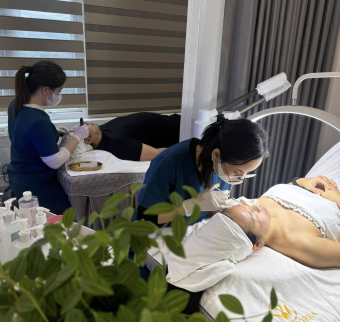
To ensure both safety and effectiveness, a standard underarm peeling process generally includes the following steps:
- Step 1:
The specialist examines the underarm pigmentation condition, identifies the causes, and recommends a suitable treatment plan. - Step 2:
The underarm area is gently cleansed to remove dirt and excess oil. Photos may also be taken for treatment progress documentation. - Step 3:
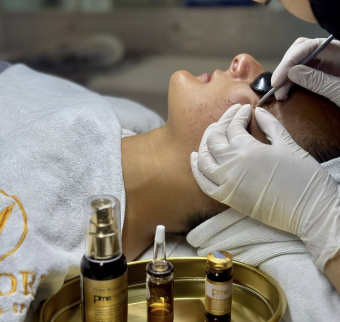
One or multiple layers of peeling solution are evenly applied to the treatment area using a brush. The specialist carefully monitors the timing according to the peel instructions. - Step 4:
The skin reaction is closely observed. If redness or frosting appears, the peel solution is promptly removed or neutralized using a specialized solution. - Step 5:
Cold compresses or soothing moisturizers are applied to calm the skin. In some cases, LED light therapy may be used to reduce inflammation and accelerate recovery. - Step 6:
Detailed aftercare instructions are provided for proper home skincare maintenance.
Underarm Brightening Peel Treatment Plan
Typically, clients require around 3–6 peeling sessions to achieve noticeable underarm brightening results, depending on the severity of pigmentation and the skin’s condition. Sessions are usually spaced 4–8 weeks apart to allow the skin sufficient time to recover and regenerate while minimizing irritation risks.
Visible improvements generally appear after 2–3 sessions and continue to improve gradually throughout the treatment course. For severe or long-term underarm pigmentation accompanied by rough skin texture, specialists may recommend combining additional treatments such as pigmentation lasers or intensive brightening serums to enhance the results.
What Should You Do After Underarm Peeling?
Post-peel skincare is an extremely important step that directly affects both treatment effectiveness and skin safety. After underarm peeling, you should follow these recommendations for optimal recovery:
- Use brightening products several weeks before treatment, especially for darker skin tones, to calm pigment-producing cells and improve overall skin tone.
- Keep the underarm area clean by washing gently with clean water or dermatologist-recommended cleansers.
- Apply gentle, fragrance-free moisturizers to help soothe and restore the skin.
- Wear breathable clothing to minimize friction on the treated area.
- Avoid deodorants, alcohol-based products, perfumes, or exfoliating products for at least 7–10 days or as directed by your specialist.
- Avoid shaving, plucking, or waxing the underarm hair for at least 2 weeks after treatment.
- Avoid heat exposure, saunas, or intense exercise for at least 7 days after the procedure.
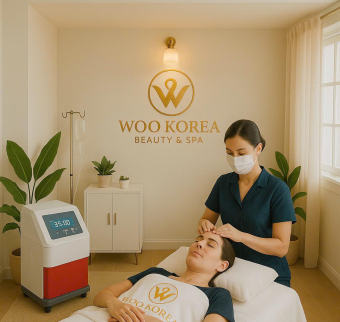
Underarm peeling not only helps improve pigmentation but also contributes to smoother, brighter, and healthier-looking underarm skin, helping you feel more confident every day. To achieve optimal results, choosing a reputable spa with safe and professional procedures is essential. Wookorea Beauty Spa – A Trusted Beauty Spa in Hanoi proudly offers personalized skincare treatments tailored to each client’s skin condition, helping you safely restore the beauty of this sensitive area.
Woo Korea Beauty & Spa – Enhancing Your Natural Beauty. Where your beauty is elevated!
3rd Floor, No. 9/30 Mai Anh Tuan Street, O Cho Dua Ward, Dong Da District, Hanoi, Vietnam