Home




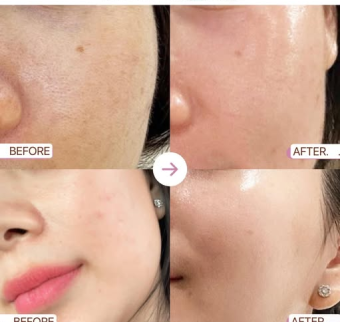
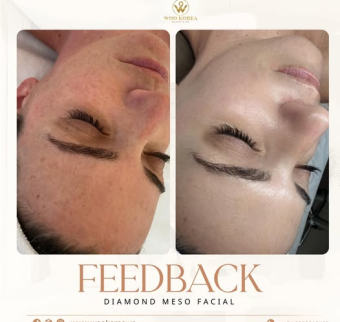
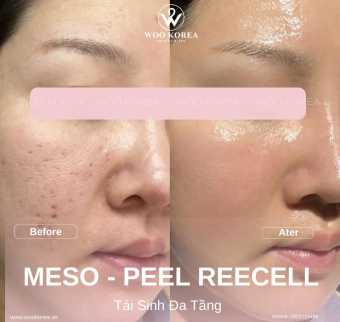
Chemical peeling is a beauty method chosen by many people thanks to its ability to remove dead skin cells, support the regeneration of new skin that is smoother and more even-toned. However, if performed at the wrong frequency, peeling can cause skin irritation or make the skin more sensitive. So how often should you peel your skin to achieve good results while still ensuring safety? Let’s find out with Wookorea Beauty Spa – an affordable spa in Hanoi to determine the appropriate peeling frequency for more scientific and effective skincare.
How often is it appropriate to do a chemical peel?
The appropriate peeling frequency depends on each individual’s condition such as skin status, peel intensity, and the type of acid used. According to dermatologists, the skin needs time to recover and regenerate new cells after each peel, therefore doing it too often can make the skin thinner, weaker, or more sensitive.
Commonly recommended safe peeling frequency:
- Superficial peel: every 2–4 weeks, suitable for healthy skin with few concerns or for maintenance treatment.
- Medium peel: every 4–6 weeks, helps improve pigmentation, pores, and mild acne scars.
- Deep peel: once per year, should only be performed at medical facilities with dermatologists due to its strong impact and long recovery time.
This frequency ensures the skin has enough time to restore its natural protective barrier, stabilize pigmentation, and stimulate collagen production safely.
However, each person has a different skin structure and response, so when peeling, you should have a doctor evaluate your skin condition before planning your peeling schedule.
Why shouldn’t you peel too frequently?
Chemical peeling is an effective method to remove dead skin cells, stimulate new cell regeneration, and improve the skin surface. However, if performed too frequently, the skin does not have enough time to recover, leading to damage to the protective barrier and many serious consequences.
When you peel continuously, the protective stratum corneum is worn down, making the skin thin, weak, sensitive, and easily irritated by external factors such as sunlight, dust, or cosmetics.
At that point, instead of achieving smooth, bright skin as expected, your skin may become red, irritated, peel for a prolonged time, and even develop inflammatory acne or post-inflammatory hyperpigmentation (PIH), a common condition of darkening after excessive peeling.
In addition, overly frequent peeling also reduces the skin’s natural self-repair function, disrupts collagen regeneration, and makes the skin age faster and lose elasticity.
Therefore, when peeling, you should follow the guidance of dermatologists or at least the instructions from product manufacturers, instead of trying to “rush the process” to achieve faster results.
Factors affecting peeling frequency
Not everyone can peel at the same frequency. Each person has different skin characteristics, treatment goals, and recovery ability, so determining a suitable peeling schedule must be based on multiple factors that dermatologists will specifically assess.
Peel level or depth
The depth of the peel directly determines the frequency because each level affects different layers of the skin, leading to different recovery times.
Superficial peels only remove the outermost layer, helping brighten and smooth the skin gently, so they can be performed more often. Meanwhile, medium or deep peels affect the dermis, where collagen and elastin are located, helping improve acne scars, pigmentation, and wrinkles.
Because of the deeper and stronger impact, the skin needs more time to recover connective tissue, stabilize pigmentation, and regenerate new cells, so the peeling frequency must be spaced out.
Simply put, the deeper the peel, the greater the “controlled damage,” and the longer the body needs to regenerate healthy skin underneath.
Skin type and sensitivity
Skin type also affects recovery time after each peel.
Sensitive skin is more prone to irritation and requires longer recovery, so peeling should be less frequent.
Oily or thick, congested skin with hidden acne may respond better to superficial peels and can be done more often without causing damage.
Doctors will base on epidermal thickness, acne condition, pigmentation, and moisture level to determine a suitable schedule.
Active ingredient concentration
Even with the same acids like glycolic acid or salicylic acid, higher concentrations mean stronger effects and longer recovery time.
Professional peels at clinics use higher concentrations, so they are spaced weeks or months apart, while at-home peels with low concentrations (under 10%) can be repeated more frequently.
Type of peeling agent
Each acid works differently:
- AHA (glycolic, lactic acid): acts on the surface, brightens and evens skin tone → can be used more frequently
- BHA (salicylic acid): deep pore cleansing, suitable for oily/acne skin → every 2–3 weeks
- TCA or phenol peel: medium to deep → requires long recovery and must be done by dermatologists
Signs that you are over-peeling
When learning how often to peel, many people think the more often, the faster the results. In reality, over-peeling damages the skin. You should stop and adjust your schedule if you notice:
- Persistent redness, burning, peeling lasting more than 5–7 days
- Itching, stinging, prolonged dryness
- Dull skin and early aging
How to recover skin after peeling safely and quickly
After peeling, the skin enters its most sensitive stage. The old layer has shed, the barrier is weakened, and the skin structure is regenerating. Proper care in the first 7 days is crucial.
Immediately after peeling (first 4–6 hours)
- Let the skin rest completely
- Do not use any cosmetics
- Clean only with saline or water
- Avoid sunlight and going outside
Recovery phase (days 1–3)
- Mild redness, dryness, or itching is normal
- Avoid heat (steam rooms, kitchens, hair dryers)
- Stop all strong active products
- Wash gently without rubbing
Recovery phase (days 4–7)
- New skin forms
- Use gentle cleanser and moisturizers with:
- Vitamin B5 (Panthenol)
- Vitamin B3 (Niacinamide)
- Hyaluronic Acid, Ceramide, Glycerin
- Always use sunscreen SPF 30+ when going out
After 7 days
- Skin recovers about 80%
- Resume normal skincare
- Avoid strong acids for another 3–4 weeks
Should you do chemical peels at home?
At-home peeling is possible if you understand your skin and choose the right products. However, it is only suitable for superficial peels using low concentrations (under 10%).
It helps remove dead skin cells and maintain results between professional treatments but cannot replace them.
Using high concentrations incorrectly can cause burns, hyperpigmentation, or barrier damage.
Dermatologist-recommended peeling schedules
For acne-prone skin
- 4–6 sessions
- Every 2–5 weeks
- Maintenance: once per month or every 2 months
For pigmentation, dull skin, aging
- Superficial peel: 2–4 weeks
- Medium peel (TCA 10–20%): 4–6 weeks
- Deep peel: once per year
Chemical peeling will bring noticeable improvement if done correctly and at the right time. Determining how often to peel depends on skin condition, type of active ingredients, and post-care. To ensure safety and best results, you should choose a reputable beauty clinic. Wookorea Beauty Spa is always ready to consult and design suitable peeling treatments to help you achieve healthy, radiant skin.
WOO KOREA BEAUTY & SPA – Bringing natural beauty. Elevating your appearance!
Address: 3rd Floor, No. 9/30 Mai Anh Tuan Street, O Cho Dua Ward, Dong Da District, Hanoi, Vietnam
Messenger: https://m.me/100093490764073
WhatsApp: https://wa.me/+84902218498